Painting between memory and transformation
Painting between memory and transformation
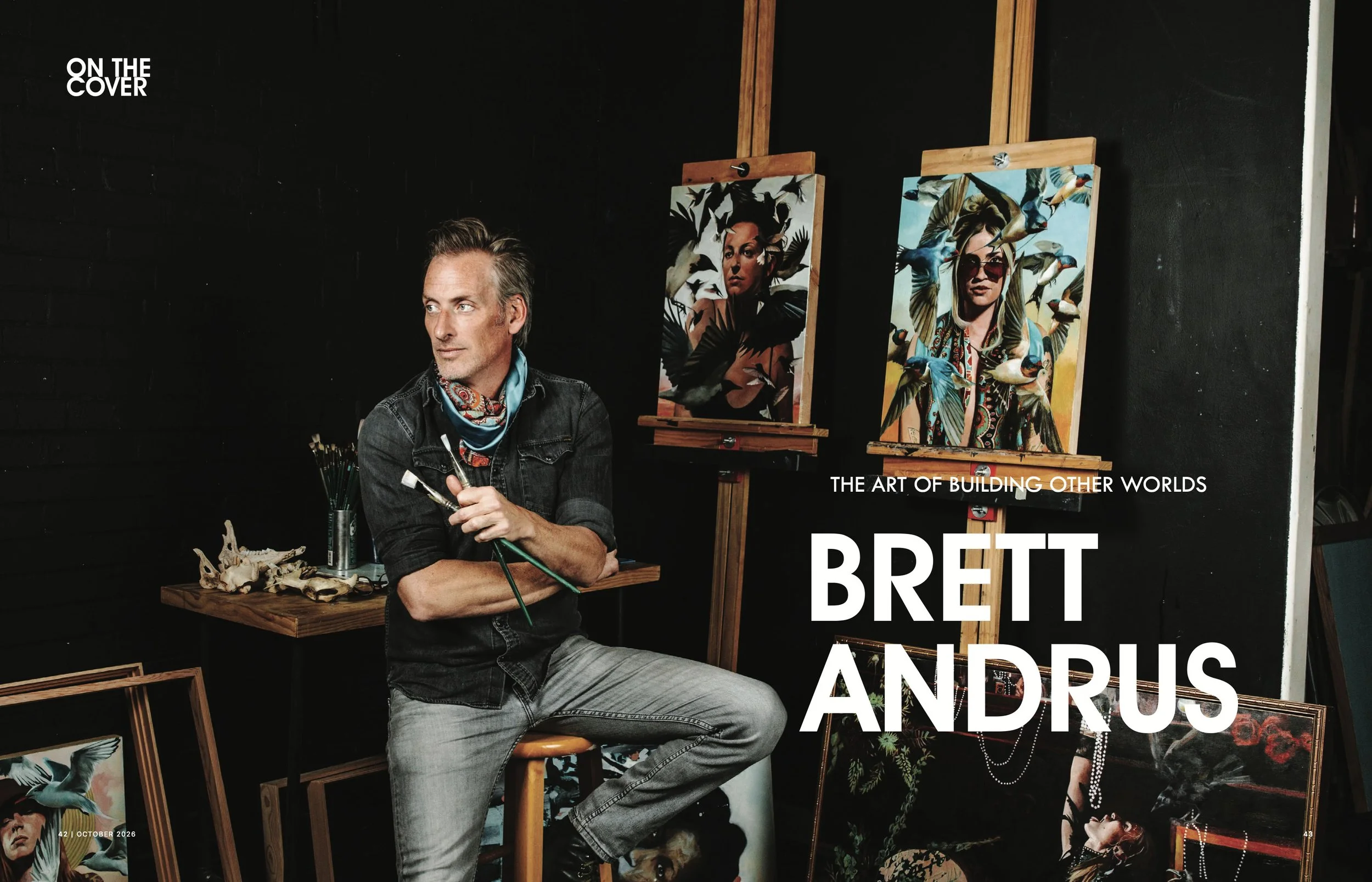
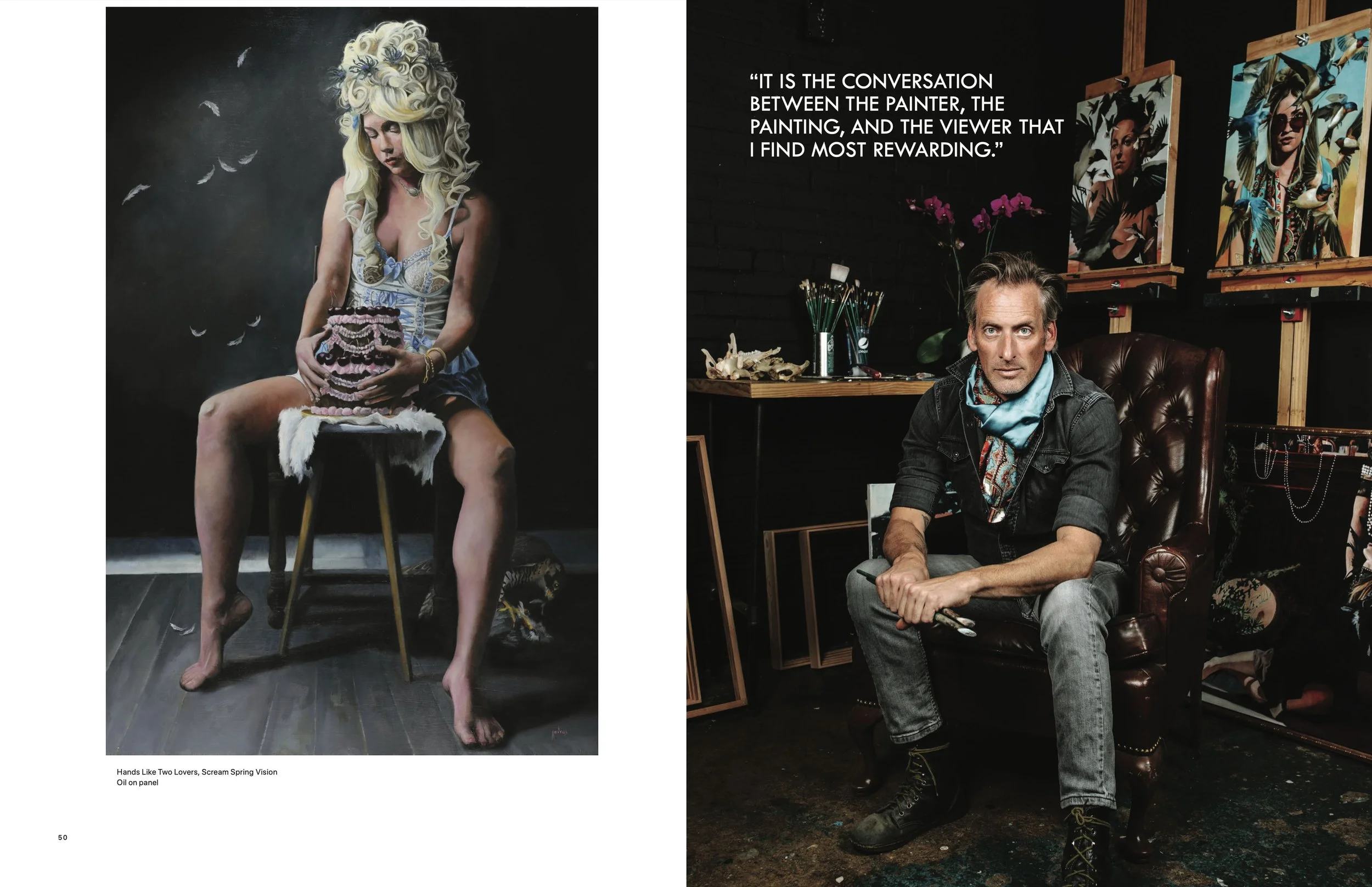
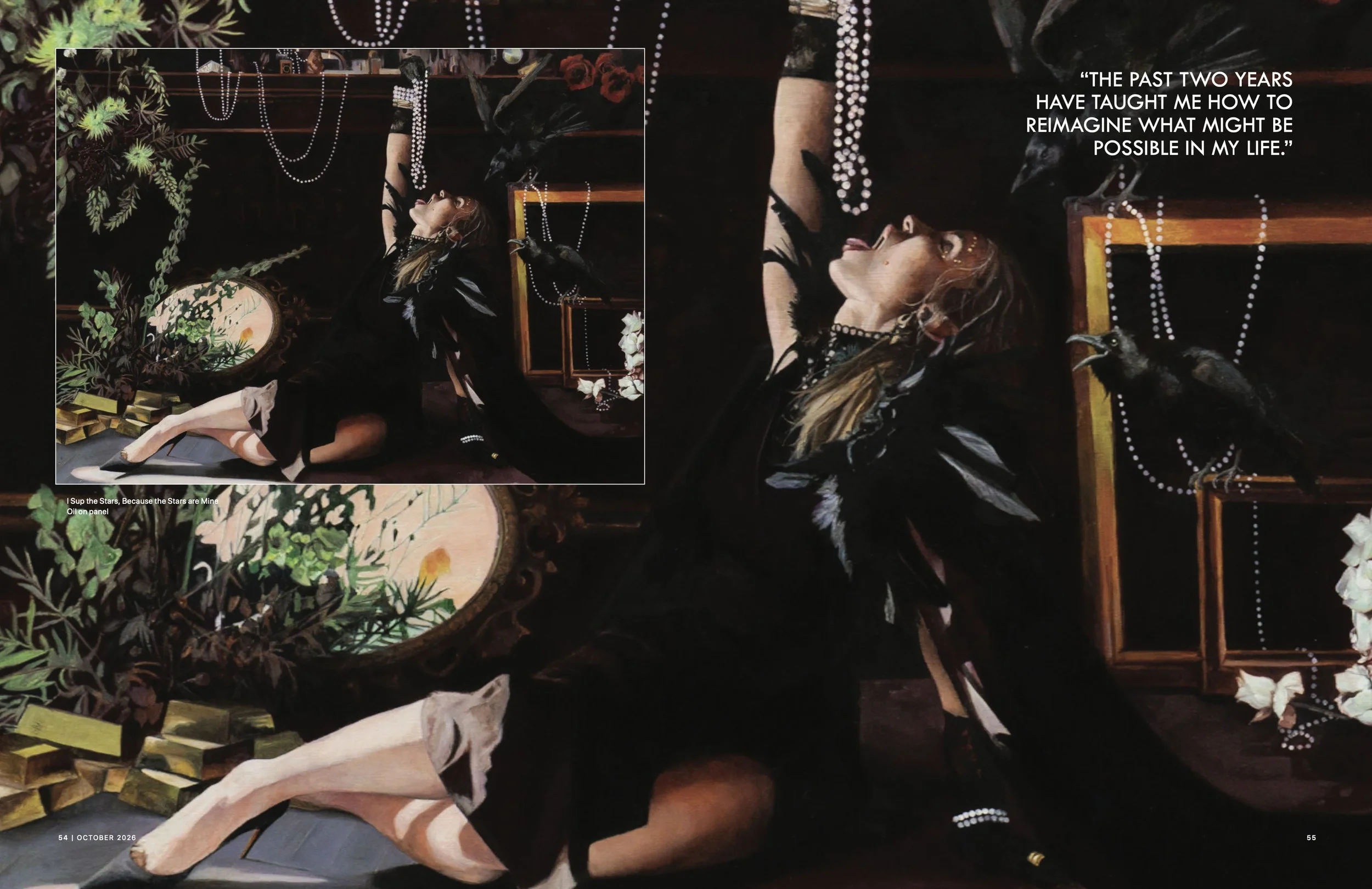
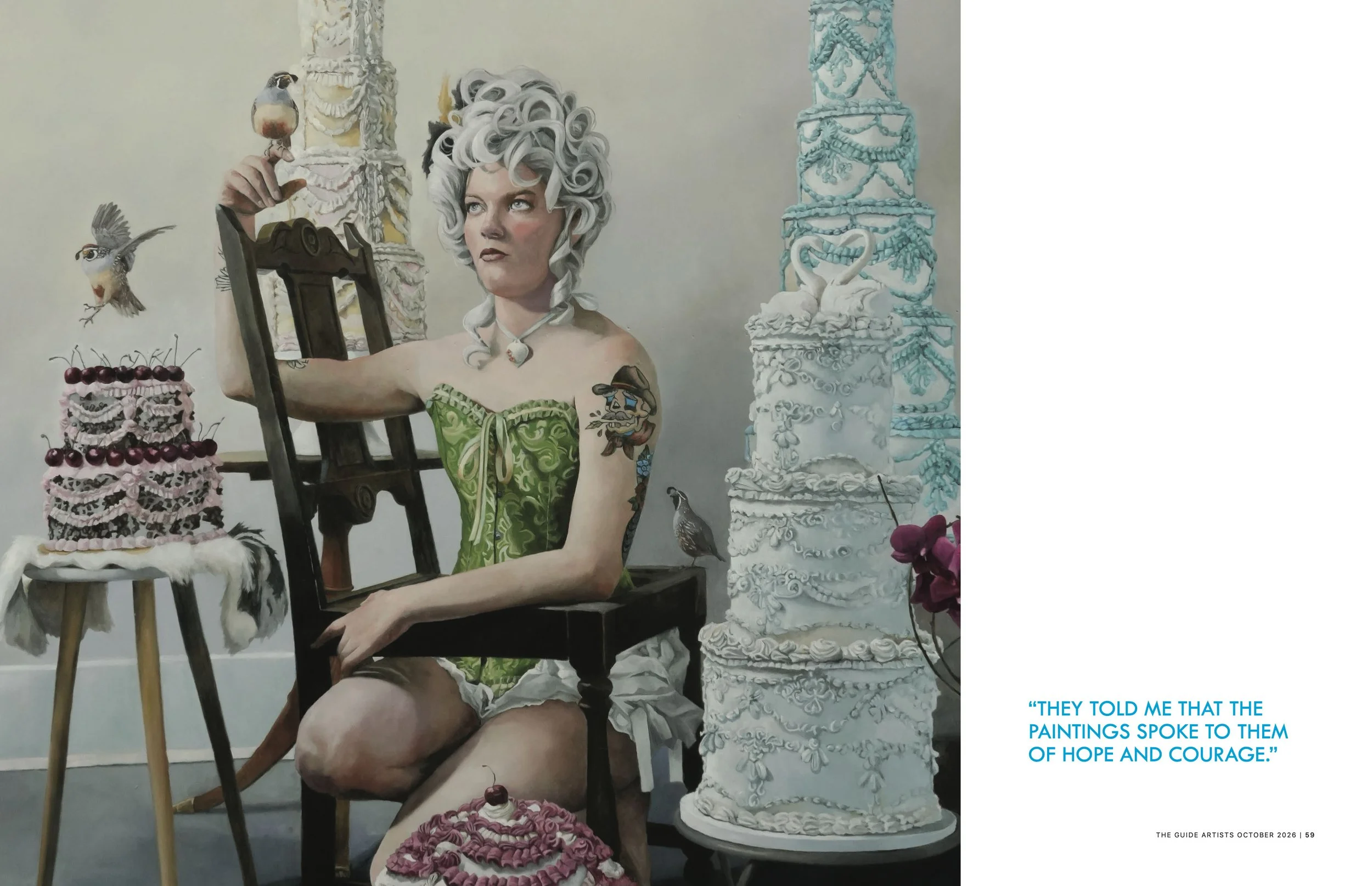
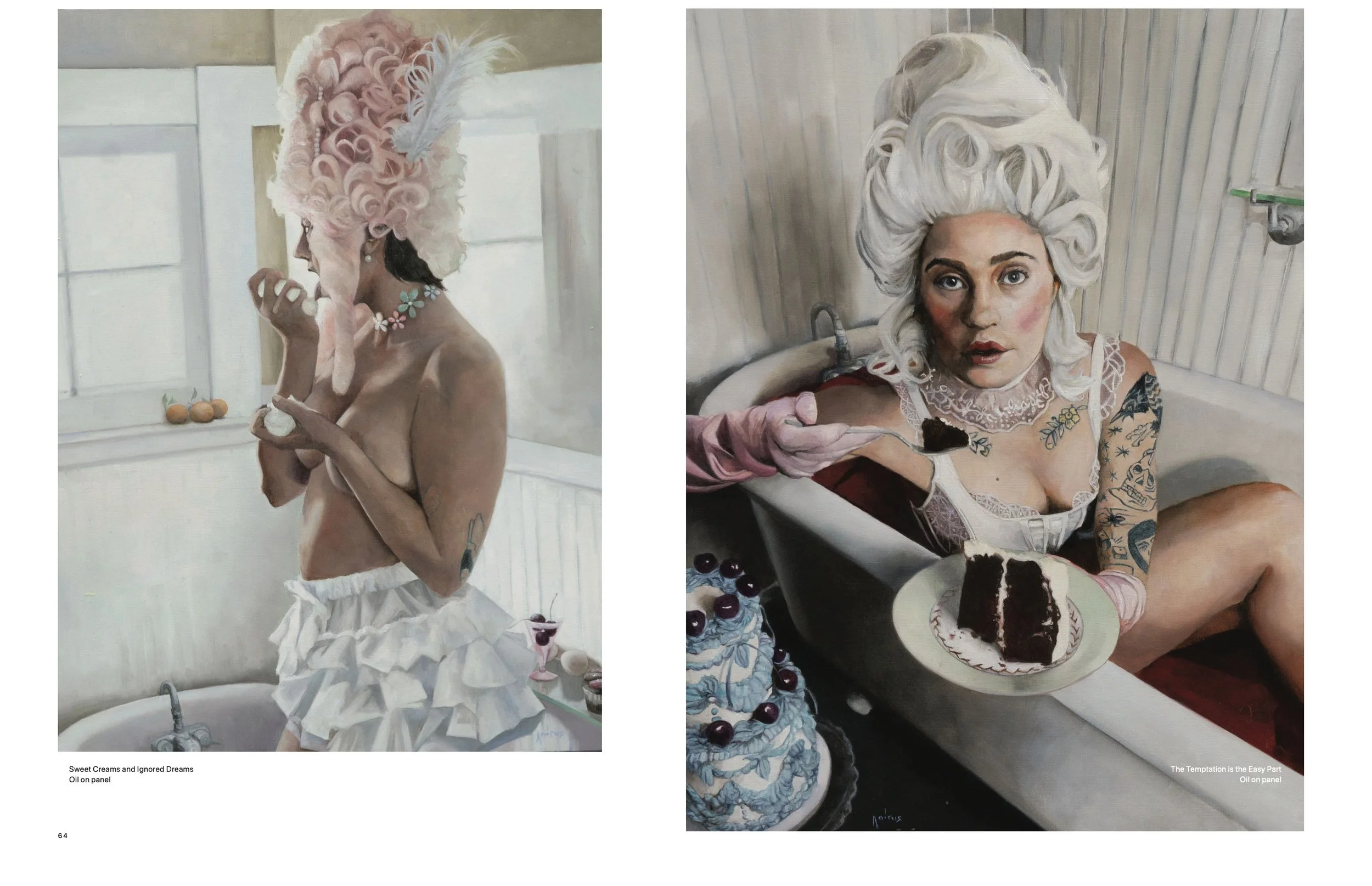
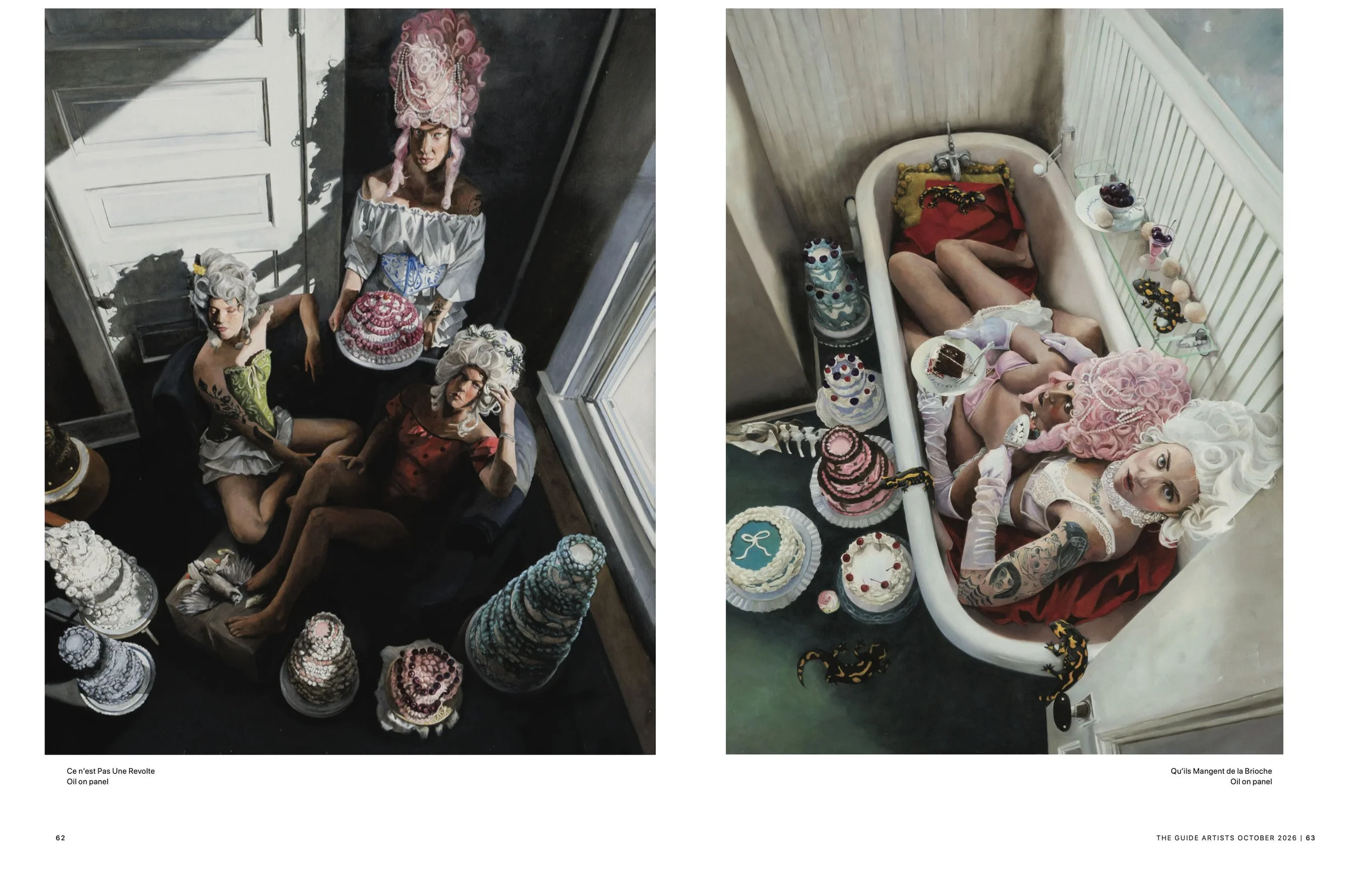
Brett Andrus paints at the intersection of reality and imagination, where the human figure becomes a space for memory, vulnerability, and transformation. Born in Colorado, his practice combines the traditions of figurative painting with magical realism, symbolism, and surrealism, creating images that are both intimate and unsettling.
His paintings invite the viewer into moments that feel familiar yet impossible to fully explain. Faces, bodies, gestures, and fragments of imagined worlds carry emotional weight, suggesting stories that continue beyond the frame. Rather than offering definitive answers, Andrus leaves space for interpretation, allowing each viewer to become part of the conversation.
Behind this body of work is also a deeply personal journey. After facing leukemia and the possibility of losing his eyesight, Andrus returned to painting with a renewed awareness of what it means to see, to create, and to be present. His experience transformed not only his life but also his relationship with the studio.
This monograph brings together a selection of works that trace that continuing journey. Across portraits and figurative compositions, Andrus explores the fragile distance between what we experience and what we imagine, between what is remembered and what is becoming.
At the heart of his practice is a simple belief: painting can create a space where artist and viewer meet. In that space, stories are shared, emotions are recognized, and something new can begin.
EDITOR’S NOTE
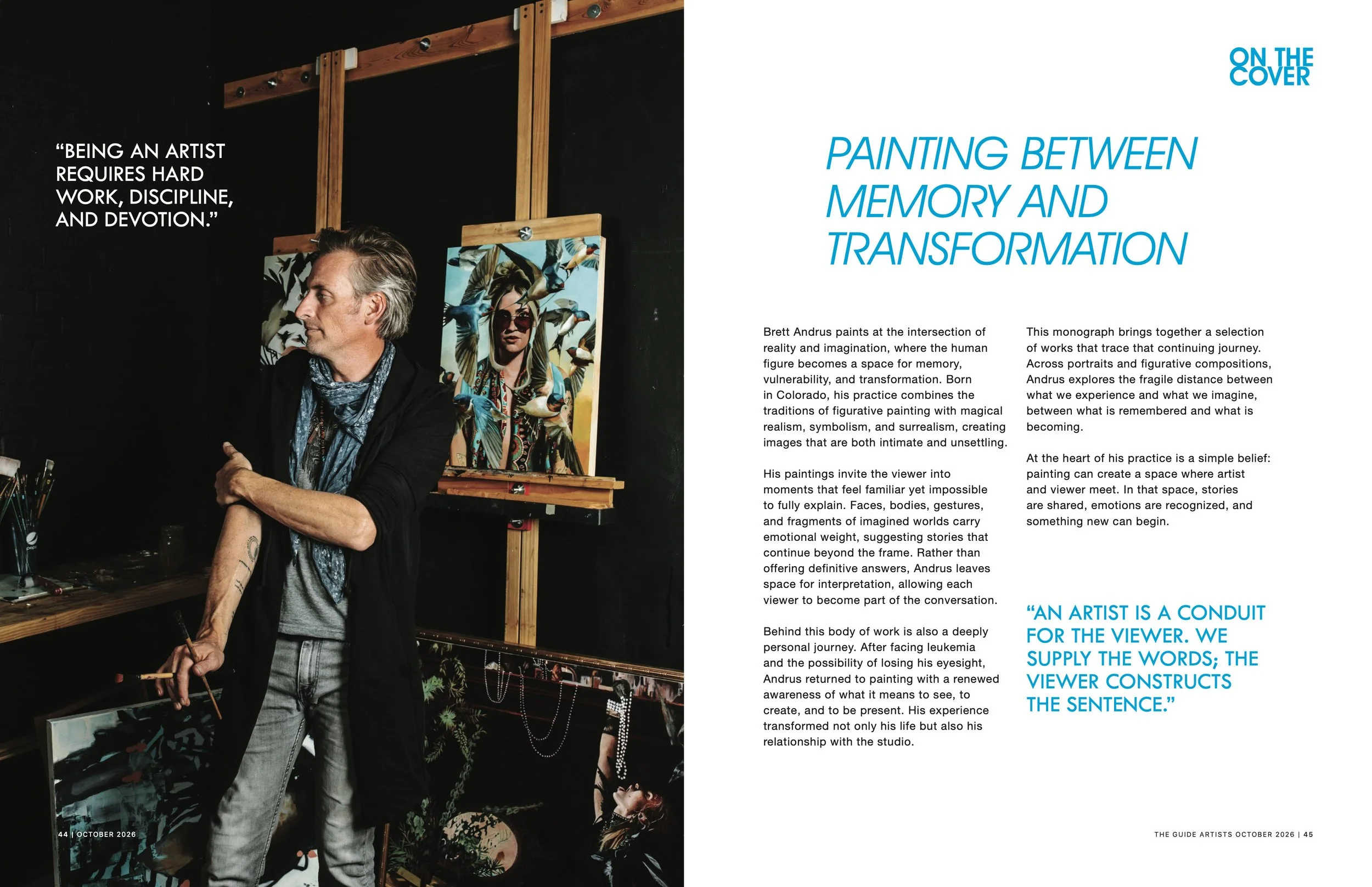
Some artists paint what they see. Others paint what they have lived. Brett Andrus belongs to the latter. His work explores the human figure as a vessel for memory, vulnerability, and transformation, inviting us to look beyond the surface and discover the stories that connect us all.
In this interview, Brett Andrus reflects on a journey shaped by artistic devotion, community building, and profound personal challenges. From creating spaces for emerging artists in Colorado Springs to confronting a leukemia diagnosis and the loss of vision, his experiences have transformed not only his relationship with painting but also his understanding of what it means to be present, to persevere, and to create with purpose.
What makes his perspective particularly compelling is his belief that a painting does not belong exclusively to the artist. It becomes complete through the viewer’s own experiences, emotions, and interpretations. As he puts it, “We supply the words; the viewer constructs the sentence.”
Beyond the canvas, Brett Andrus reminds us that art can be an act of resilience and a source of hope. His story is not simply about overcoming adversity, but about finding new meaning in the process of rebuilding and continuing forward with integrity.
Ultimately, this conversation invites us to reconsider the power of art—not merely as an object to be observed, but as a space for connection, understanding, and shared humanity.
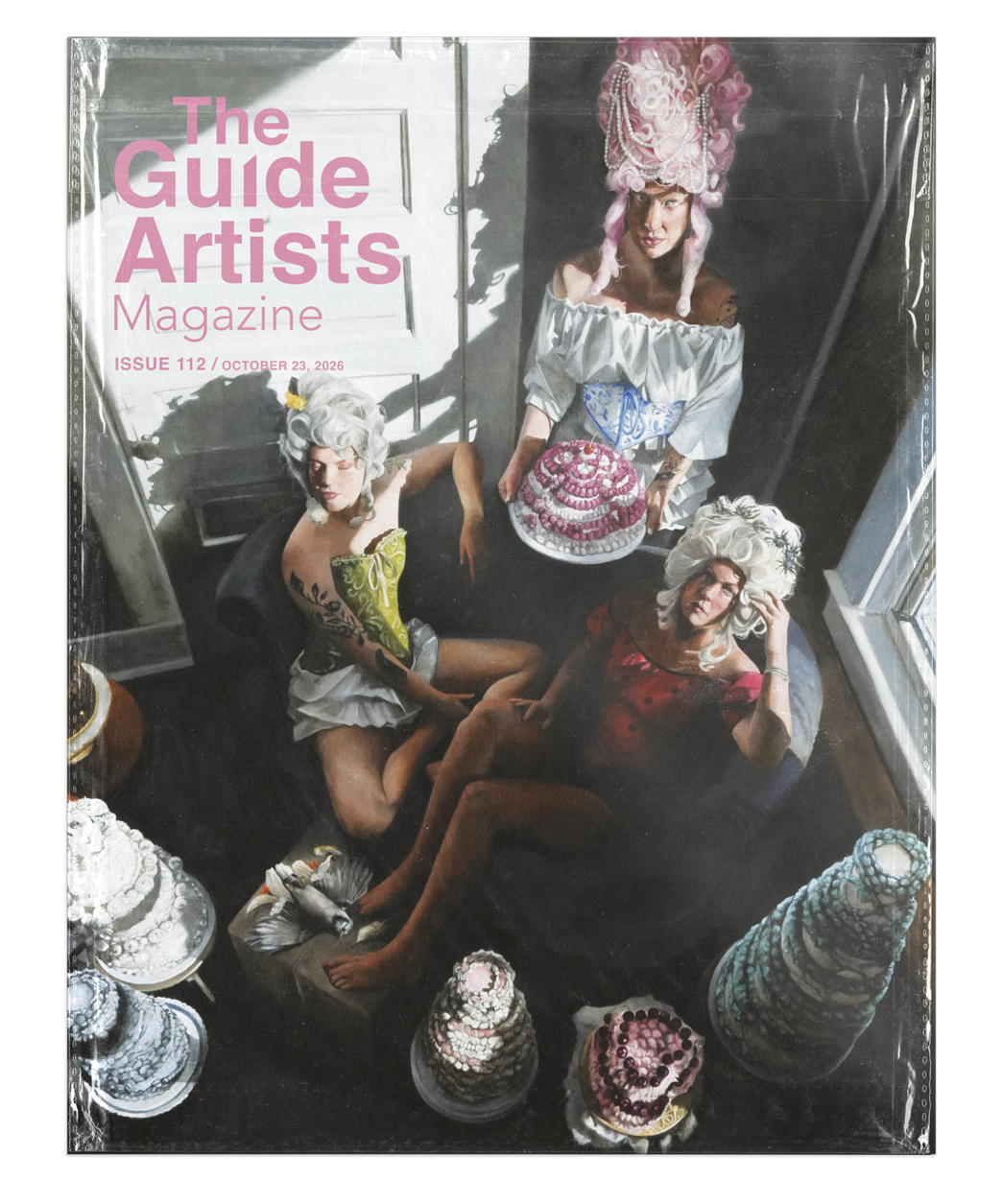
For Issue 112, The Guide Artists explores the artistic universe of Brett Andrus, an American painter whose work navigates the boundaries where reality dissolves into memory, symbolism and emotion.
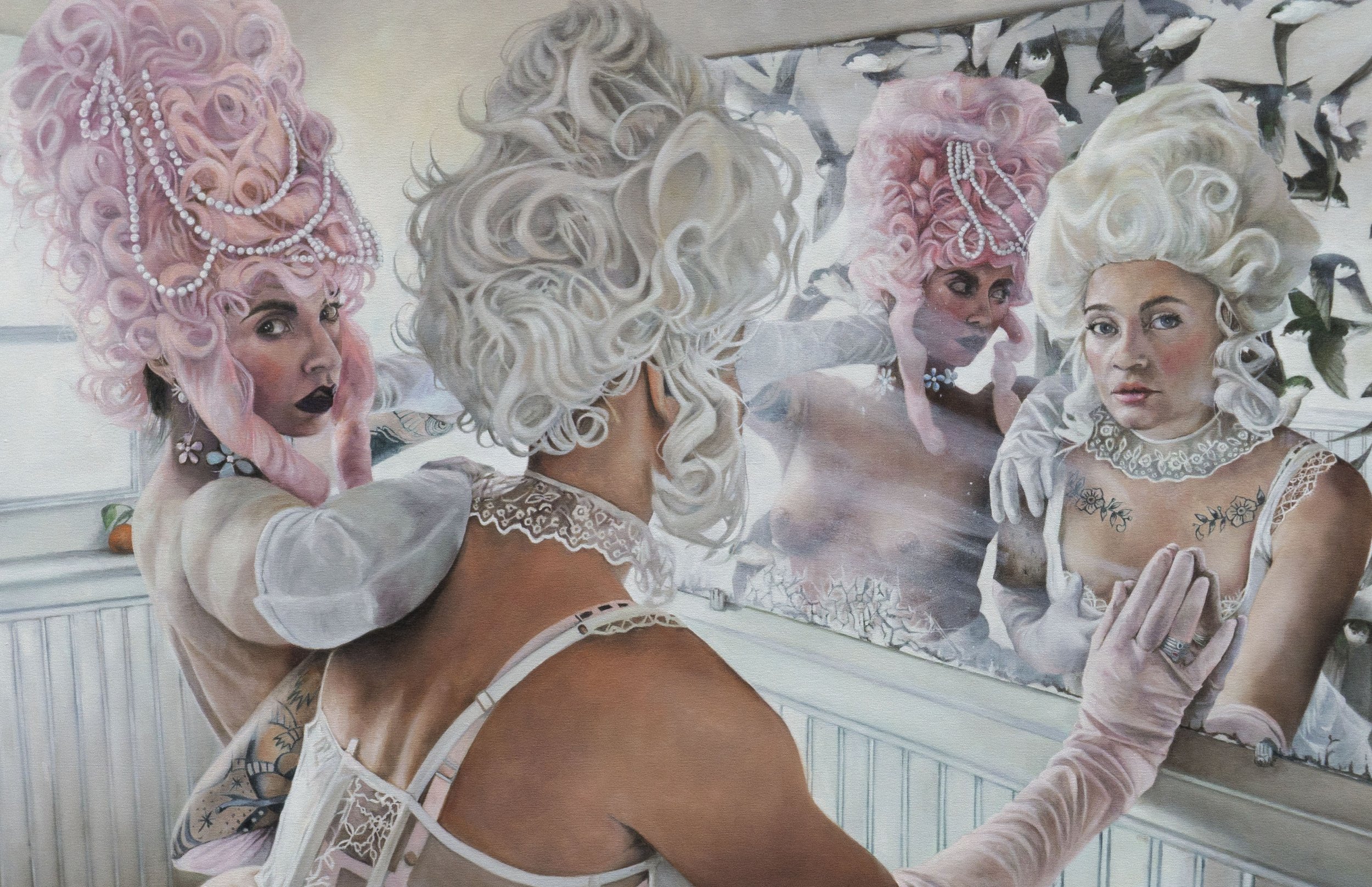
Through a poetic approach to figuration, infused with surrealism and magical realism, Andrus transforms the human body into a space of metamorphosis and vulnerability.
His canvases create atmospheres suspended in time, where familiar forms acquire an enigmatic quality and every gesture or gaze invites the viewer to explore the hidden layers of human experience.
His cover artwork, Ce n’est Pas Une Revolte, offers an introduction to this visual language, establishing an intimate dialogue between light, perception and the meanings that exist beyond the visible surface.
Andrus’s artistic vision has been profoundly shaped by a life-altering personal experience. Following his battle with leukemia and the possibility of losing his eyesight, his return to the studio brought a renewed perspective to his practice.
Painting became an even more conscious and meaningful act, shaped by gratitude for the ability to see, create and engage with the world through art.
This issue of The Guide Artists celebrates an artistic journey in which personal vulnerability becomes a universal language, revealing painting’s remarkable capacity to transform uncertainty into beauty and memory into an endless field of possibility.